A non-invasive way to ease joint discomfort, move more freely, and get back to the activities you enjoy.
Joint pain can make everyday activities like walking, climbing stairs, exercising, or even getting out of a chair uncomfortable. Whether the discomfort comes from repetitive movements, an old injury, or age-related changes, persistent joint pain can affect mobility and quality of life.
For patients seeking non-invasive treatment options, Stem Wave therapy may offer another way to manage certain musculoskeletal conditions. This treatment uses acoustic waves to stimulate biological responses in targeted tissues, which may reduce discomfort and improve function. At Advanced Chiropractic & Wellness Center, right here in Carson City, we focus on personalized treatment options to help patients address joint discomfort, improve mobility, and maintain an active lifestyle.
Jump To Section
The Basics
What Is Stem Wave Therapy?
Stem Wave therapy is a non-invasive treatment that uses focused acoustic pressure waves to stimulate tissues in areas affected by pain or injury. The treatment uses extracorporeal shockwave technology (often shortened to ESWT, meaning sound wave energy delivered from outside the body) to deliver mechanical energy through the skin without surgery or injections.
These acoustic waves interact with targeted tissues and may stimulate biological responses associated with tissue recovery and pain modulation. Stem Wave therapy may be considered for certain joint and soft tissue conditions, especially when discomfort or limited movement interferes with daily activities.
Although the name includes the word “stem,” Stem Wave therapy does not involve injecting stem cells or performing a stem cell transplant.
How It Works
How Does Stem Wave Therapy Treatment Work?
Stem Wave therapy delivers controlled acoustic waves to the treatment area. These waves create mechanical stimulation within the tissues, which may activate cellular responses involved in recovery. The process is often described as mechanotransduction, where cells respond to mechanical forces by triggering biological signals.
Depending on the condition, Stem Wave treatment may help:
Reduce discomfort: Acoustic wave treatment may help relieve pain associated with certain musculoskeletal conditions.
Support circulation: Mechanical stimulation may encourage local biological responses related to blood flow.
Improve mobility: Reduced discomfort may make it easier to move affected joints.
Support tissue recovery: Acoustic waves may stimulate processes involved in tissue repair.
Complement rehabilitation: Treatment may be combined with stretching, strengthening, or other appropriate therapies.
The effectiveness of shockwave therapy varies by condition. While research supports its use for certain tendon-related problems, evidence for other joint conditions is still developing.
Conditions
What Joint Pain Conditions May Benefit From Stem Wave Therapy?
Stem Wave therapy may be considered for several musculoskeletal conditions involving joints, tendons, and surrounding soft tissues. Common areas evaluated for treatment include:
Knee pain: Knee discomfort can develop from repetitive activities, overuse, or age-related joint changes. Stem Wave therapy may be considered for certain causes of knee pain, including some tendon-related conditions. Treatment suitability depends on the underlying diagnosis.
Shoulder pain: Shoulder pain may result from repetitive overhead movements, tendon irritation, or restricted mobility. Researchers have studied shockwave therapy for certain shoulder tendon conditions, particularly calcific rotator cuff tendinopathy. A professional evaluation can help determine whether treatment is appropriate.
Hip pain: Hip discomfort can affect walking, standing, exercising, and other everyday movements. Some patients experience pain involving the tendons around the outer hip. Shockwave therapy may be considered for selected cases of greater trochanteric pain syndrome.
Elbow pain: Repetitive gripping, lifting, and sports activities can place stress on the tendons around the elbow. Conditions such as tennis elbow may respond to appropriate conservative treatment, and shockwave therapy may be an option in certain persistent cases.
Ankle and foot pain: Ankle and foot discomfort can make standing and walking difficult. Shockwave therapy is sometimes used for conditions such as plantar fasciitis and certain chronic tendon problems when clinically appropriate.
Not every type of joint pain is suitable for Stem Wave therapy. Conditions involving fractures, infections, severe inflammation, or other medical problems may require different treatments.
Your Visit
What Should You Expect During a Stem Wave Therapy Session?
Understanding the treatment process can help patients feel more comfortable before their appointment. At Dr. Pastro’s clinic, we base treatment recommendations on an evaluation of your symptoms, medical history, and individual needs. If this is your first visit, our guide on what to expect during your first shockwave therapy session walks through the experience in more detail.
Your provider starts by discussing your symptoms, including where you feel pain, how long it has lasted, and what activities make it worse. Your provider may also review your medical history and previous treatments to determine whether Stem Wave therapy is appropriate.
The provider identifies the area requiring treatment based on your symptoms and examination findings. This helps guide the application of acoustic waves to the targeted tissues.
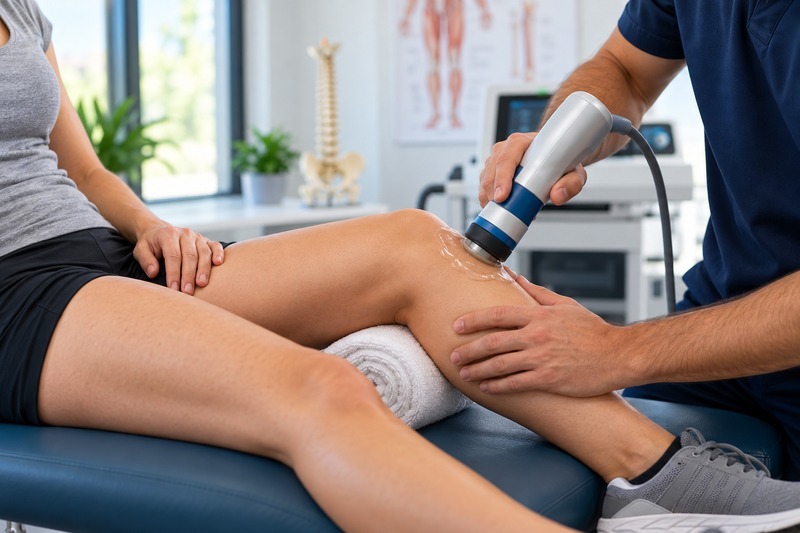
The provider places a handheld treatment device against the skin over the affected area. A coupling gel may be used to help transmit the acoustic waves. The device delivers controlled pulses to the targeted tissues.
You may feel tapping, pulsing, or mild discomfort as the device delivers acoustic waves. The sensation varies by area treated and individual sensitivity. Tell your provider if treatment becomes uncomfortable.
Stem Wave treatment generally does not require a lengthy recovery period. Some patients experience temporary soreness, redness, or sensitivity in the treated area, and your provider may recommend modifying certain activities following treatment. The number of sessions and recovery timeline depend on your condition and how you respond to treatment.
Candidates
Who May Benefit From Stem Wave Therapy?
Stem Wave therapy may be an option for patients experiencing certain persistent musculoskeletal problems. Potential candidates may include people who:
Experience ongoing tendon-related pain
Have discomfort associated with repetitive activities
Struggle with mobility because of certain soft tissue conditions
Have not experienced sufficient improvement with initial conservative treatments
Want to explore non-invasive treatment options
Need additional support alongside an appropriate rehabilitation program
However, Stem Wave therapy is not suitable for everyone. Patients with certain medical conditions, bleeding disorders, or other risk factors may require additional assessment. A qualified healthcare provider should determine whether this treatment is appropriate based on the patient’s diagnosis and medical history.
Results
How Long Does Stem Wave Therapy Take to Show Results?
Recovery and treatment response vary depending on the condition being treated, symptom duration, and individual health factors. Some patients may notice changes in discomfort relatively early, while others may require multiple sessions before experiencing meaningful improvement.
Because Stem Wave therapy aims to stimulate biological responses within the tissues, improvements may develop gradually. Factors that can influence treatment outcomes include:
The underlying cause of joint pain
How long symptoms have been present
The severity of the condition
Overall health and activity level
The treatment protocol
Participation in recommended rehabilitation exercises
Your provider can explain which outcomes are realistic for your specific condition.
Combined Care
Can Stem Wave Therapy Be Combined With Chiropractic Care?
For some patients, managing joint pain involves more than treating a single area of discomfort. When appropriate, Stem Wave therapy may be combined with chiropractic care, mobility exercises, and other rehabilitation approaches.
For example, acoustic wave therapy may target certain painful soft tissues, while chiropractic or rehabilitative care may focus on joint movement, flexibility, and functional limitations. At Advanced Chiropractic & Wellness Center, we base treatment recommendations on each patient’s symptoms and recovery goals. A coordinated approach can help address different factors contributing to discomfort and restricted movement.
Why Choose Us
Why Choose Advanced Chiropractic & Wellness Center for Stem Wave Therapy?
At Advanced Chiropractic & Wellness Center, we understand that persistent joint discomfort can affect your ability to work, exercise, and enjoy everyday activities. We start by understanding your symptoms and identifying the factors contributing to your discomfort.
We focus on personalized care and help patients understand their treatment options before they decide on a recovery plan. Whether you are dealing with knee discomfort, shoulder pain, or another musculoskeletal condition, our team can help determine whether Stem Wave therapy may be right for you.
FAQ
Frequently Asked Questions About Stem Wave Therapy
Is Stem Wave therapy painful?
Patients may experience tapping, pressure, or mild discomfort during treatment. The sensation varies by treatment area and individual sensitivity.
Is Stem Wave therapy the same as stem cell therapy?
No. Stem Wave uses acoustic pressure waves to stimulate targeted tissues. It does not involve injecting or transplanting stem cells.
How many Stem Wave therapy sessions will I need?
The number of sessions depends on your condition, symptoms, and response to treatment. After an evaluation, your provider can recommend an appropriate treatment plan.
Can Stem Wave therapy help with arthritis?
Shockwave therapy has been studied for certain arthritis-related symptoms, including knee osteoarthritis. However, the evidence is still developing, and it has not been established as a way to reverse cartilage damage or cure arthritis.
Is there downtime after Stem Wave therapy?
Most patients can resume many routine activities after treatment, although they may experience temporary soreness. Your provider may recommend avoiding strenuous activities involving the treated area for a short period.
Schedule Your Stem Wave Therapy Consultation
If joint pain or limited mobility is affecting your daily routine, exploring non-invasive treatment options may be a useful next step. At Advanced Chiropractic & Wellness Center, we provide personalized chiropractic and supportive treatment options tailored to your needs. Learn more about our Shock Wave Therapy services and how acoustic wave treatment may fit into your recovery plan. Ready to explore your treatment options? Contact us or call (775) 883-4114 to schedule a consultation and see whether Stem Wave therapy may be right for you.